1139, Maruthi Complex, 3rd Floor, BEML Layout, RR Nagar, Bengaluru, KA
Cement Industry: A Thermodynamic Balancing Act
Cement Industry: A Thermodynamic Balancing Act
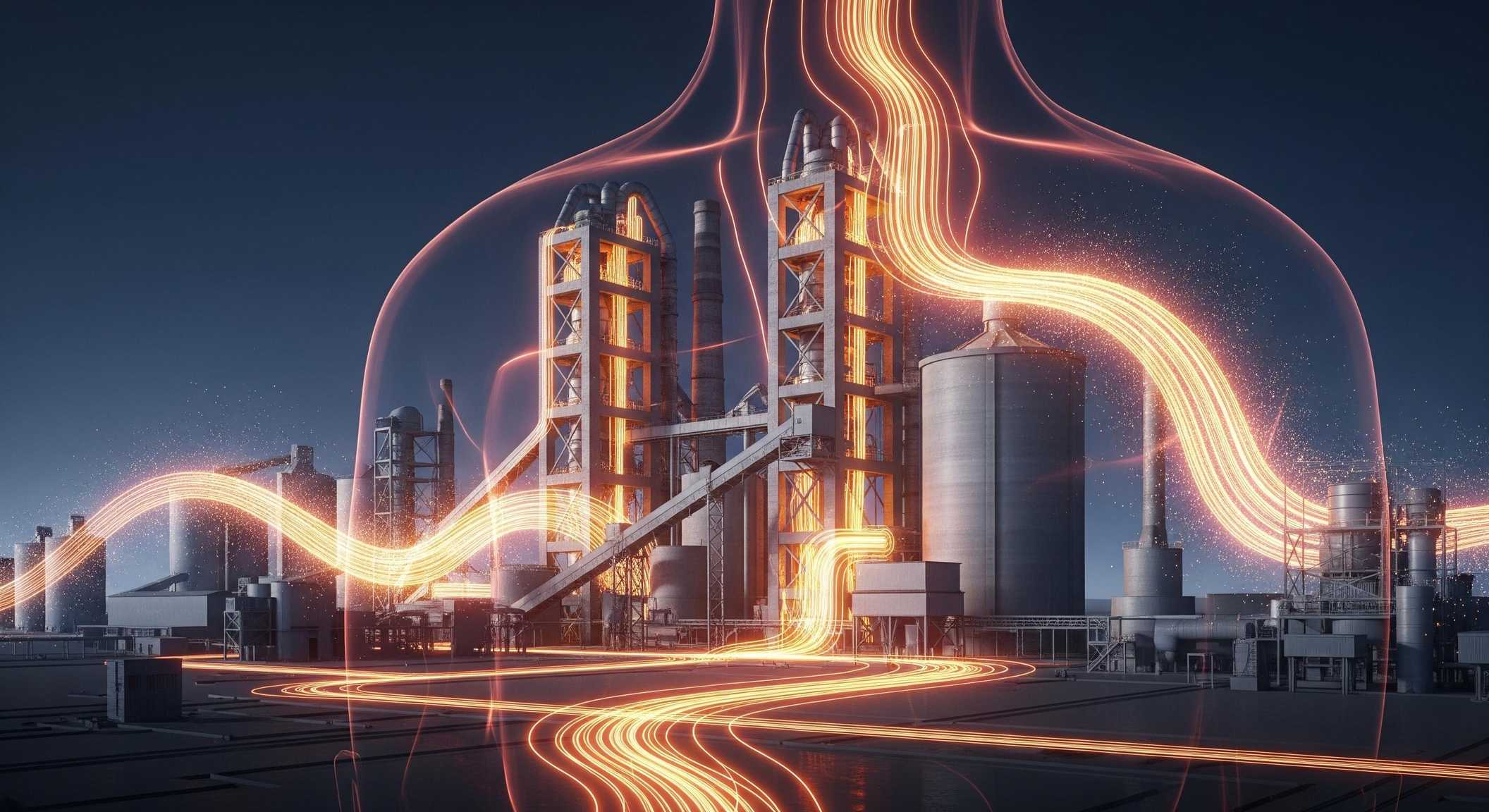
Cement manufacturing is a thermodynamic process where heat, fuel, and raw materials work in harmony. Like the human body regulating its metabolism, even small imbalances can disrupt efficiency and quality.
A System Built on Balance
The cement industry is more than heavy machinery and kilns. It functions like a living system, where every input and reaction must be balanced. Just as the human body adjusts temperature and energy levels to maintain health, a cement plant regulates heat, fuel, and raw mix to achieve efficiency and stability.
The Role of the Rotary Kiln
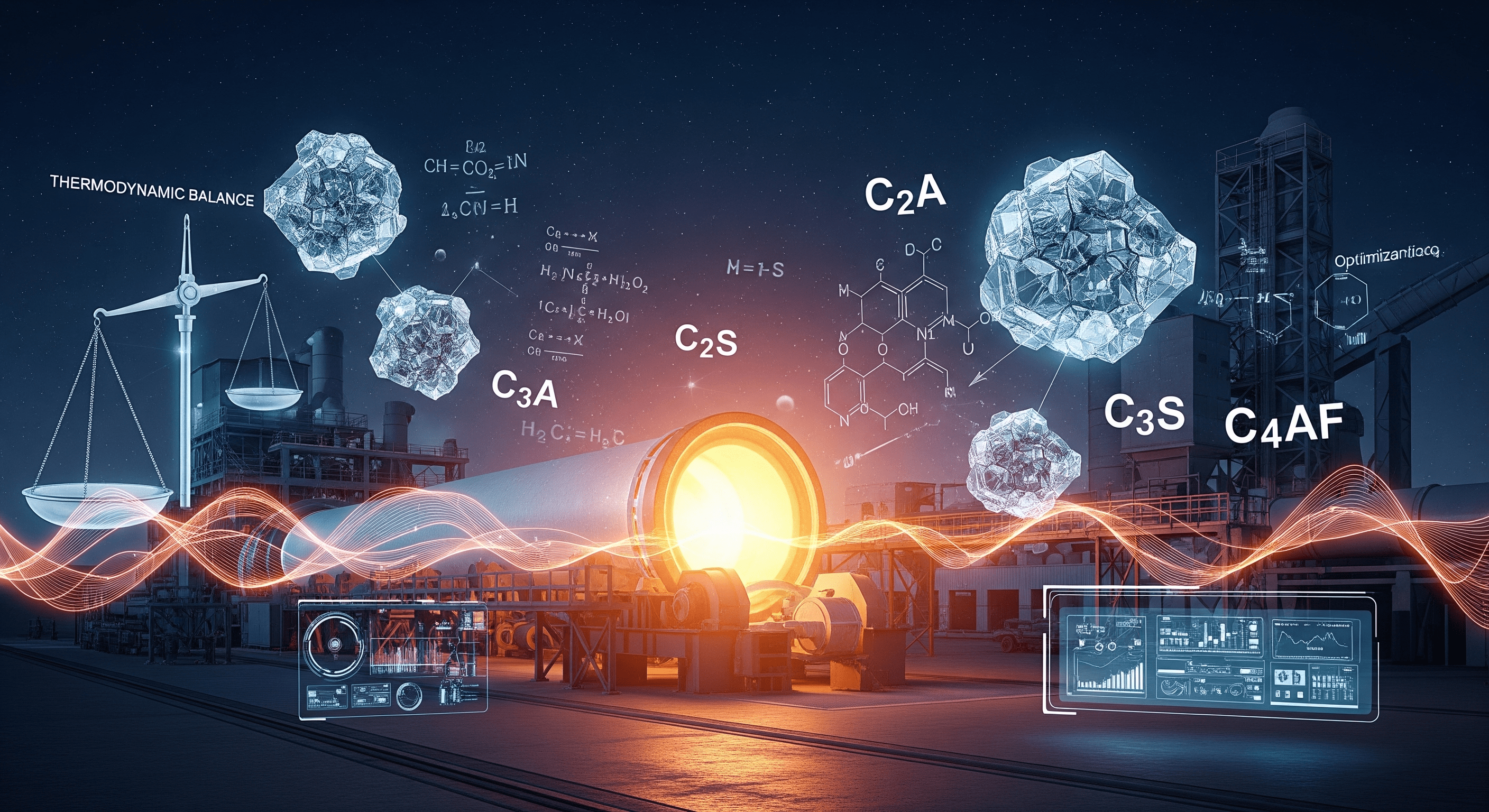
At the center of this process is the rotary kiln, often called the heart of the plant. Inside it, raw materials are transformed into clinker through carefully managed reactions. Four elements must remain in balance:
Fuel – energy source driving chemical changes
Air – oxygen needed for efficient combustion.
Raw mix – the prepared blend of raw materials.
Time – the duration for reactions to complete.
Like the digestive system breaking down nutrients, the kiln ensures raw materials are processed into a usable form — but only when these factors work in harmony.
Even small variations can disrupt the system, much like changes in human metabolism affect overall health:
Temperature fluctuations can prevent proper clinker formation
Fuel-to-air imbalances lower combustion efficiency.
Raw feed changes alter the kiln’s heat profile
A Dynamic and Sensitive Process
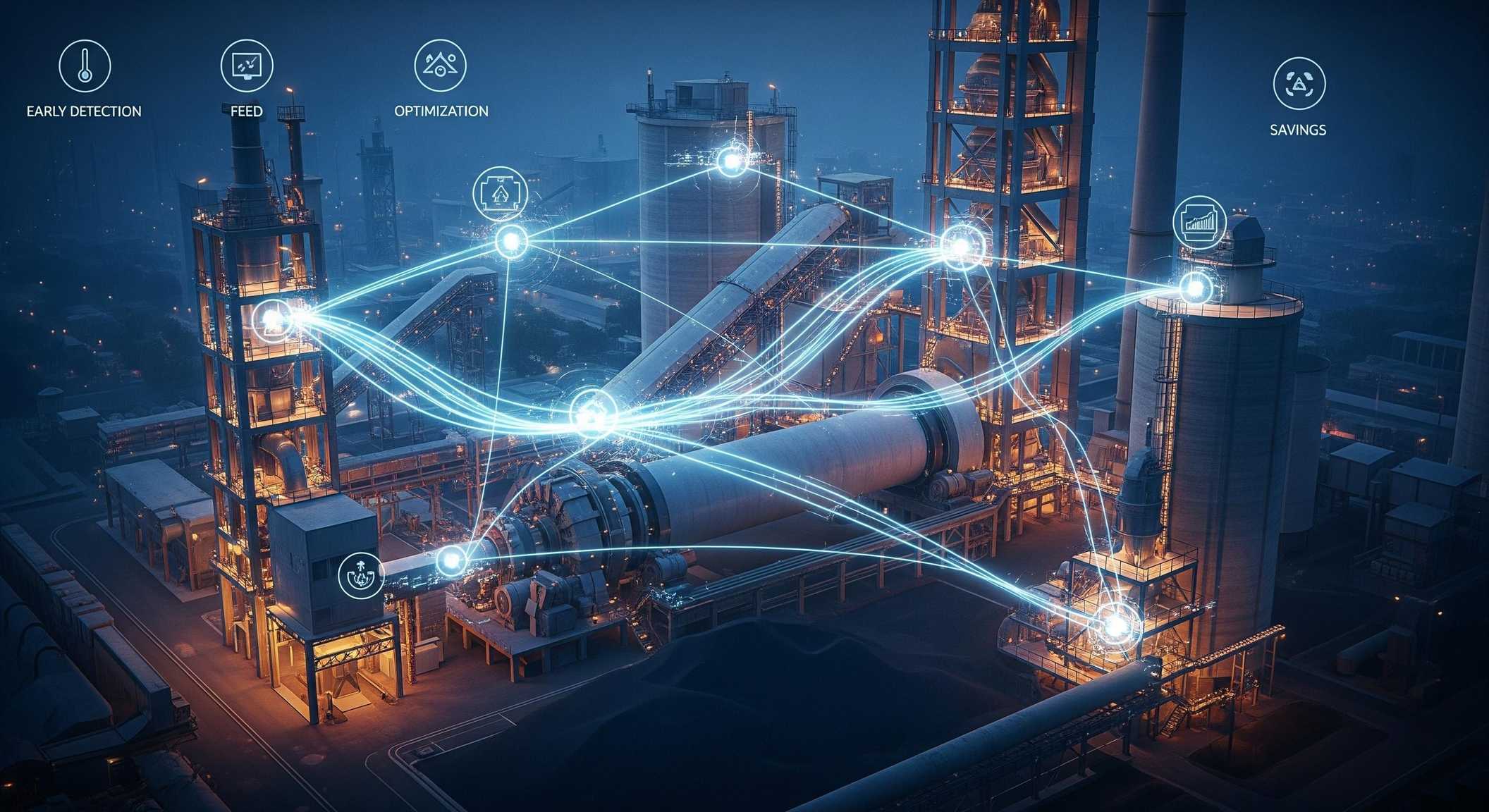
Cement production is dynamic and requires constant fine-tuning. Just as the human body maintains balance through continuous regulation, cement plants rely on real-time monitoring to ensure consistent product quality, optimized energy use, and reduced emissions
The cement industry is not just an industrial process — it’s a thermodynamic ecosystem that mirrors the adaptability and precision of human physiology
Tags:

Go Back Top